Not every wall printer needs white ink.
If most of your jobs are printed on white or light-colored walls, a CMYK system can produce full-color murals without a white underbase.
But if you want to print on black, dark gray, navy, colored walls or other surfaces where the background affects the artwork, white ink becomes much more important.
The simplest rule is:
White or light wall → CMYK is usually enough.
Dark or strongly colored wall → CMYK + White is usually the better choice.
For someone buying a wall printer, the decision should therefore be based on your actual job mix—not simply on whether a supplier says five colors are “more professional.”
Application | CMYK | CMYK + White |
|---|---|---|
White painted wall | ✓ | ✓ |
Light beige / cream wall | ✓ | Usually unnecessary |
Dark gray / navy wall | Poorer color accuracy | ✓ |
Black wall | Poor | ✓ |
White text on dark wall | ✗ | ✓ |
Colored concrete / brick | Limited by substrate color | Better flexibility |
Transparent surface | Limited opacity | White backing can help |
Lowest maintenance | ✓ | — |
Maximum job flexibility | — | ✓ |
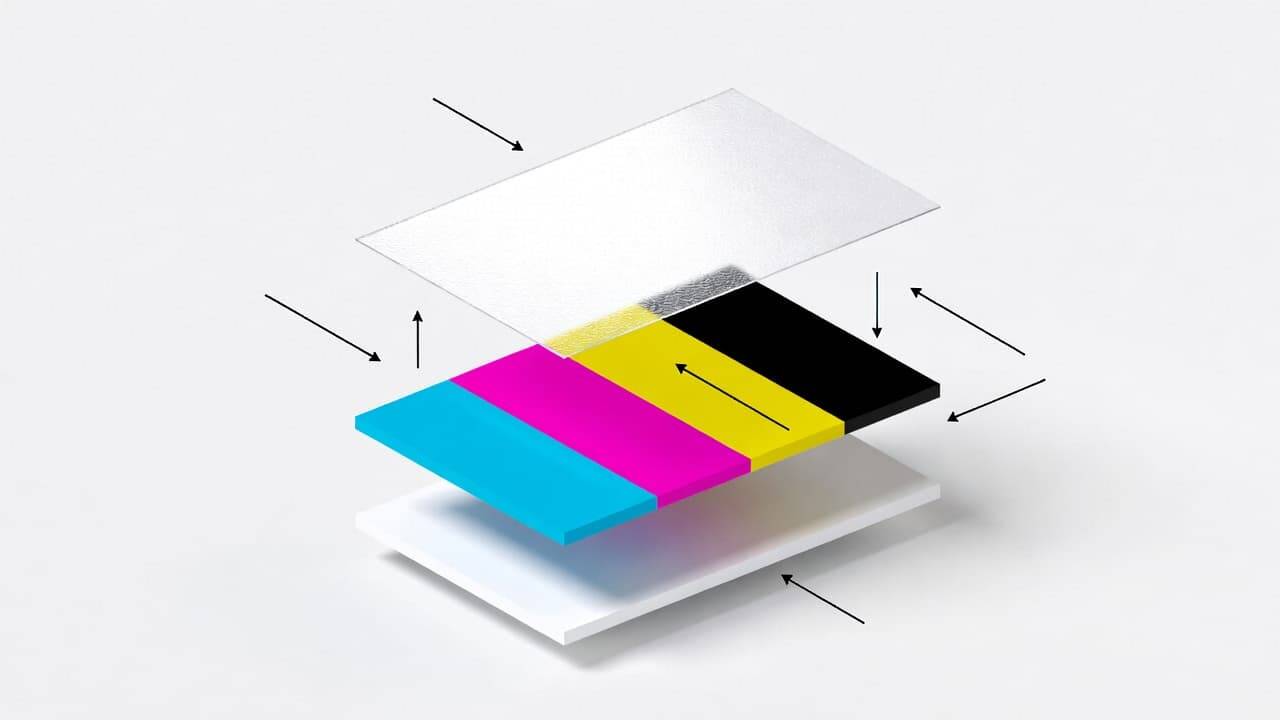
1. What Is the Difference Between CMYK and CMYK+White?
Standard CMYK uses four process colors:
Cyan, Magenta, Yellow and Black.
These inks are designed to work with a light background.
On a white wall, the wall itself provides the bright base behind the printed colors. This helps reds, blues, skin tones, gradients and photographs appear much closer to the original artwork.
That is why a standard CMYK wall printing machine can work very well for most conventional murals on white or pale walls.
The problem appears when the wall itself is dark.
Why CMYK Looks Different on Dark Walls
CMYK ink is not completely opaque.
If you print the same image directly onto a black or dark-gray wall, the wall color influences the printed colors.
The result may look:
Darker.
Less saturated.
Muddy.
Lower in contrast.
Different from the original file.
The printer has not necessarily failed.
The issue is that CMYK no longer has a bright background underneath it.
What Does White Ink Do?
White ink creates that missing background.
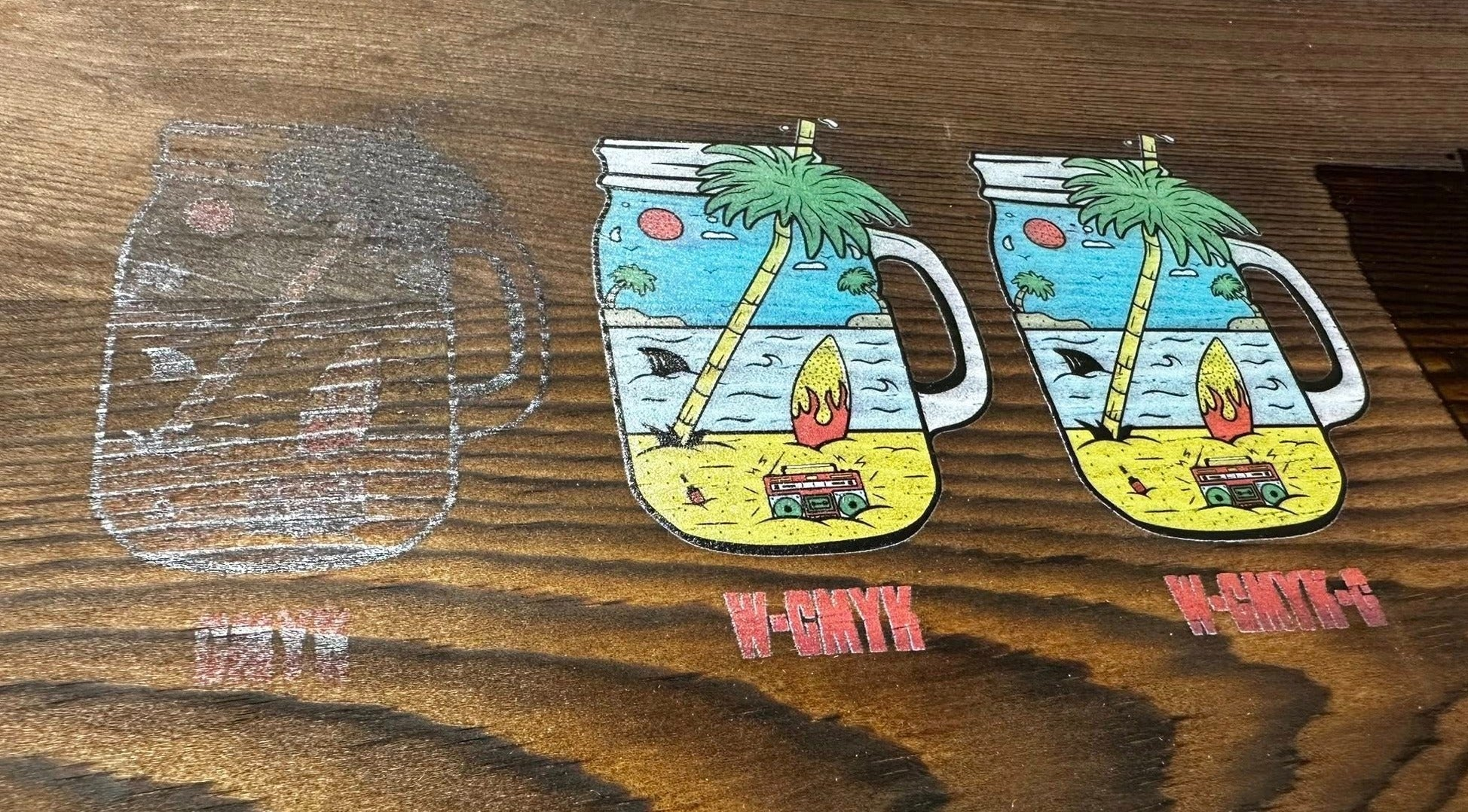
The machine prints a white layer underneath the colored artwork:
Dark wall → White underbase → CMYK image
This white layer prevents much of the wall color from influencing the final artwork.
That is why a CMYK + White vertical wall printer can produce brighter, more predictable colors on dark or strongly colored surfaces.
White ink can also be used for actual white elements in the design.
For example:
White lettering on a black wall.
White logos.
White highlights.
Decorative white graphics.
CMYK cannot reproduce true white ink by itself.
Does White Ink Improve Print Quality on a White Wall?
Usually not in a way that justifies using it automatically.
If the wall is already white, printing another white layer underneath every image generally adds:
More ink.
More printing time.
More maintenance.
without providing a meaningful benefit for ordinary full-color artwork.
That is why white ink should be used when the substrate requires it, rather than simply because the machine has a white channel.
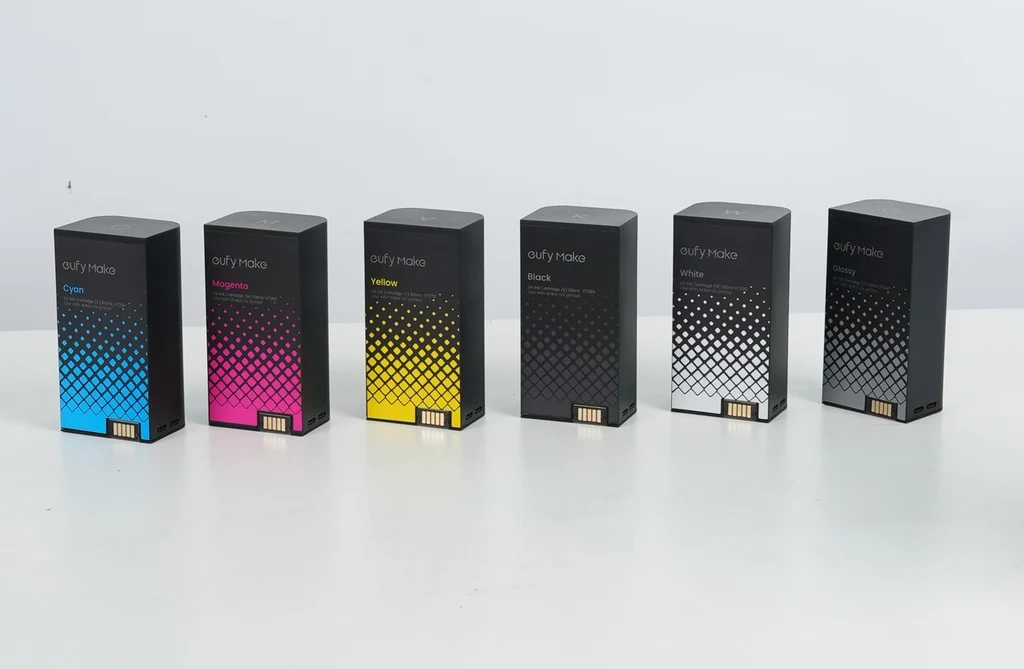
2. When Do You Actually Need White Ink?
For most wall-printing businesses, the decision becomes much easier when you look at the surfaces you expect to print.
CMYK Is Usually Enough If You Mostly Print:
White drywall.
White plaster walls.
Light beige walls.
Light-colored interior walls.
Typical residential murals.
Office murals on light walls.
Children's room artwork.
Photographic murals on white backgrounds.
For these jobs, a CMYK-only workflow can be simpler.
You avoid using white ink when it is not needed and reduce the maintenance associated with the white channel.
If nearly all of your customers have light walls, paying extra specifically for white-ink capability may provide limited immediate value.
CMYK+White Makes More Sense If You Print:
Black walls.
Charcoal-gray walls.
Navy walls.
Strongly colored feature walls.
Dark concrete.
Colored brick.
Certain wood surfaces.
Glass or transparent materials.
Commercial interiors using dark branding colors.
A wall mural printer with white ink gives you more flexibility to accept these jobs without asking the customer to repaint the wall white first.
That flexibility can matter commercially.
Imagine a restaurant has already painted its feature wall dark green and now wants a bright multicolor mural.
A CMYK-only machine may force you to say:
“The wall needs to be repainted first.”
A suitable CMYK + White system may allow you to print directly onto that existing wall after confirming surface compatibility.
That turns white ink from a technical feature into an additional job capability.
White Ink Does Not Fix Every Surface Problem
This is important.
White ink can solve a background-color problem.
It cannot automatically solve:
Loose paint.
Dust.
Poor adhesion.
Very rough texture.
Uneven walls.
Incorrect printhead distance.
Moisture.
Oil or contamination.
A dark concrete wall may still need surface preparation even if the printer has excellent white opacity.
So do not interpret:
“Supports White Ink”
as:
“Prints perfectly on every dark surface.”
For unfamiliar materials, run a sample test first.
What About Textured Dark Walls?
White ink can improve color visibility on textured dark walls, but wall texture still affects sharpness.
On brick, rough plaster or textured concrete, the final result depends on:
Surface depth.
Printhead clearance.
Distance sensing.
Ink adhesion.
Artwork detail.
White coverage.
A high-density white underbase cannot physically flatten the wall.
For a direct wall printer, motion stability and printhead-to-wall distance remain just as important as the ink configuration.
3. What Are the Downsides of Adding White Ink?
White ink expands what you can print, but it is not free capability.
It affects maintenance, speed and operating cost.
White Ink Requires More Maintenance
White ink contains dense white pigment that naturally tends to settle.
If that pigment remains stationary for too long, it can contribute to:
Uneven white output.
Nozzle dropouts.
Banding.
Restricted ink flow.
Clogging.
That is why the design of the white-ink system matters.
A good CMYK + White professional wall printer should have a method of keeping white pigment moving through the relevant part of the ink system.
Depending on the machine, this may include:
Ink-tank agitation.
White-ink circulation.
Automatic maintenance.
Negative-pressure control.
Scheduled cleaning routines.
Instead of asking a supplier:
“Does your printer have white ink?”
ask:
“How does your white-ink circulation system work when the machine is printing and when it is idle?”
That question tells you much more about long-term reliability.
White Ink Uses More Ink
A dark-wall print usually requires both:
White underbase.
CMYK color.
So it naturally consumes more total ink than printing the same image directly onto a white wall.
The actual difference depends on:
How much of the image needs white.
Required opacity.
Number of passes.
Artwork coverage.
Print mode.
Some designs only need spot white under specific areas.
Others may need white across nearly the entire mural.
That is why there is no single universal “white ink cost per square meter” that applies to every job.
For quoting purposes, a dark-wall job should normally be treated differently from a standard light-wall print.
White Ink Can Reduce Production Speed
A CMYK-only job may require fewer printing operations.
Once the machine has to produce a white underbase as well, total job time can increase.
How much depends heavily on the printer configuration and print mode.
So when comparing suppliers, do not only ask:
“What is the maximum printing speed?”
Also ask:
“What is the actual production speed when printing White + CMYK on a dark wall?”
That is the figure that matters if dark-wall printing will be part of your business.
White Ink Makes Idle-Time Management More Important
This is especially relevant for new wall-printing businesses.
A busy company may print almost every day.
A startup may use the machine today and then not receive another project for a week.
White pigment settling means idle periods deserve more attention.
Before buying, ask the supplier what happens if the machine sits unused for:
2–3 days.
One week.
Several weeks.
You should receive a clear maintenance procedure.
If the answer is vague, that is a warning sign.
So Is White Ink Worth the Extra Complexity?
It depends on the jobs you expect to sell.
Ask yourself:
1. What percentage of my target walls are white or light?
2. Do restaurants, hotels, retail stores or commercial clients in my market use dark feature walls?
3. Do I want to print white logos or graphics?
4. Would I lose jobs without dark-wall printing capability?
5. Am I willing to maintain the white-ink system properly?
A simple decision table is useful:
Your Business | Better Starting Direction |
|---|---|
Almost all white/light walls | CMYK may be enough |
Mainly residential murals on white walls | CMYK may be enough |
Mix of light and dark walls | CMYK + White |
Restaurants / retail / commercial branding | CMYK + White is more valuable |
Black / navy / dark feature walls | CMYK + White |
White logos and text required | CMYK + White |
Machine may sit unused for long periods | Evaluate white maintenance carefully |
Want maximum application flexibility | CMYK + White |
For someone buying a new wall printing machine, I would generally consider CMYK + White more attractive if the price difference is reasonable and the white-ink circulation system is well designed.
Not because every job needs white.
Because it prevents the machine configuration from limiting which wall colors you can accept later.

Conclusion
So, do wall printers need white ink?
Not always.
If almost all of your projects are printed on white or light-colored walls, CMYK can be enough and gives you a simpler operating workflow.
But if you want to print on:
Black walls.
Dark gray walls.
Colored feature walls.
Dark concrete or brick.
Transparent materials.
or designs containing actual white elements,
then CMYK + White gives you significantly more flexibility.
The key difference is simple:
CMYK relies on the wall to provide the bright background.
CMYK + White creates its own bright background when the wall cannot provide one.
The tradeoff is equally simple:
CMYK → simpler, faster and easier to maintain.
CMYK + White → more applications, but higher ink use and more maintenance.
For most buyers, I would not make the decision based solely on machine price.
Look at the jobs you realistically expect to accept over the next several years.
If dark-wall jobs are rare and your customers mainly want murals on white drywall, CMYK may be perfectly adequate.
If you want a wall printer capable of serving restaurants, retail stores, offices, hotels and other commercial clients with a wider variety of wall colors, CMYK + White is usually the more flexible long-term configuration.