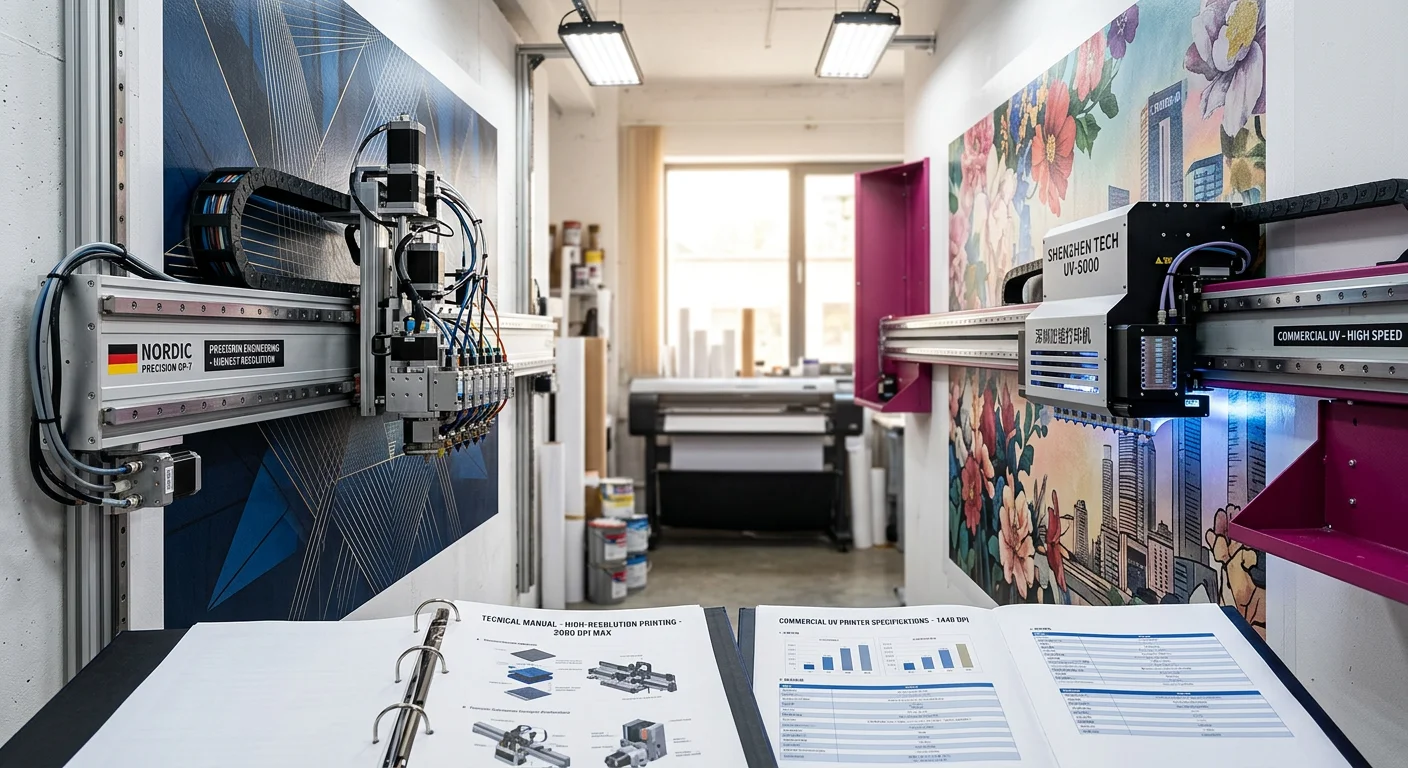
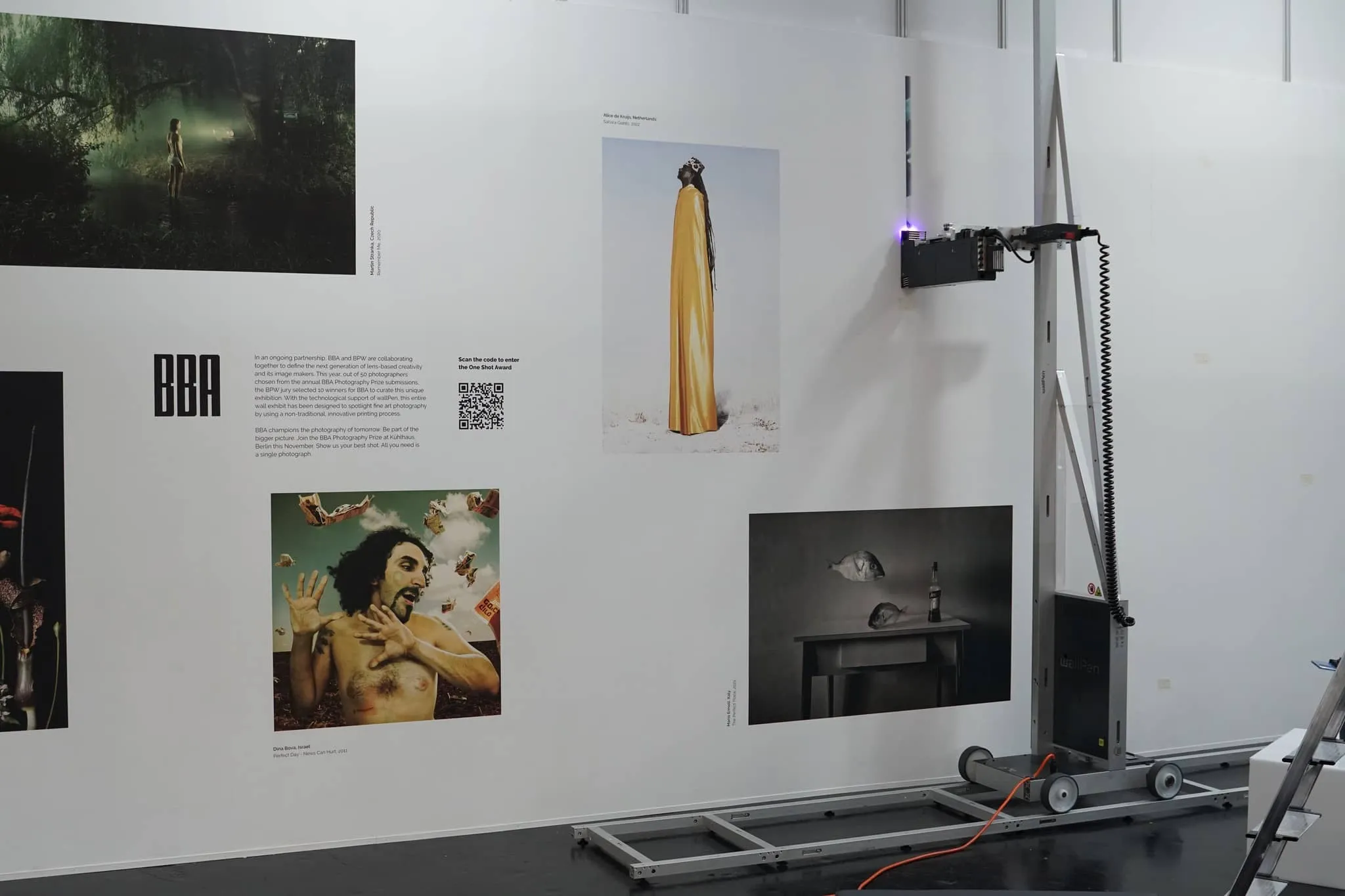
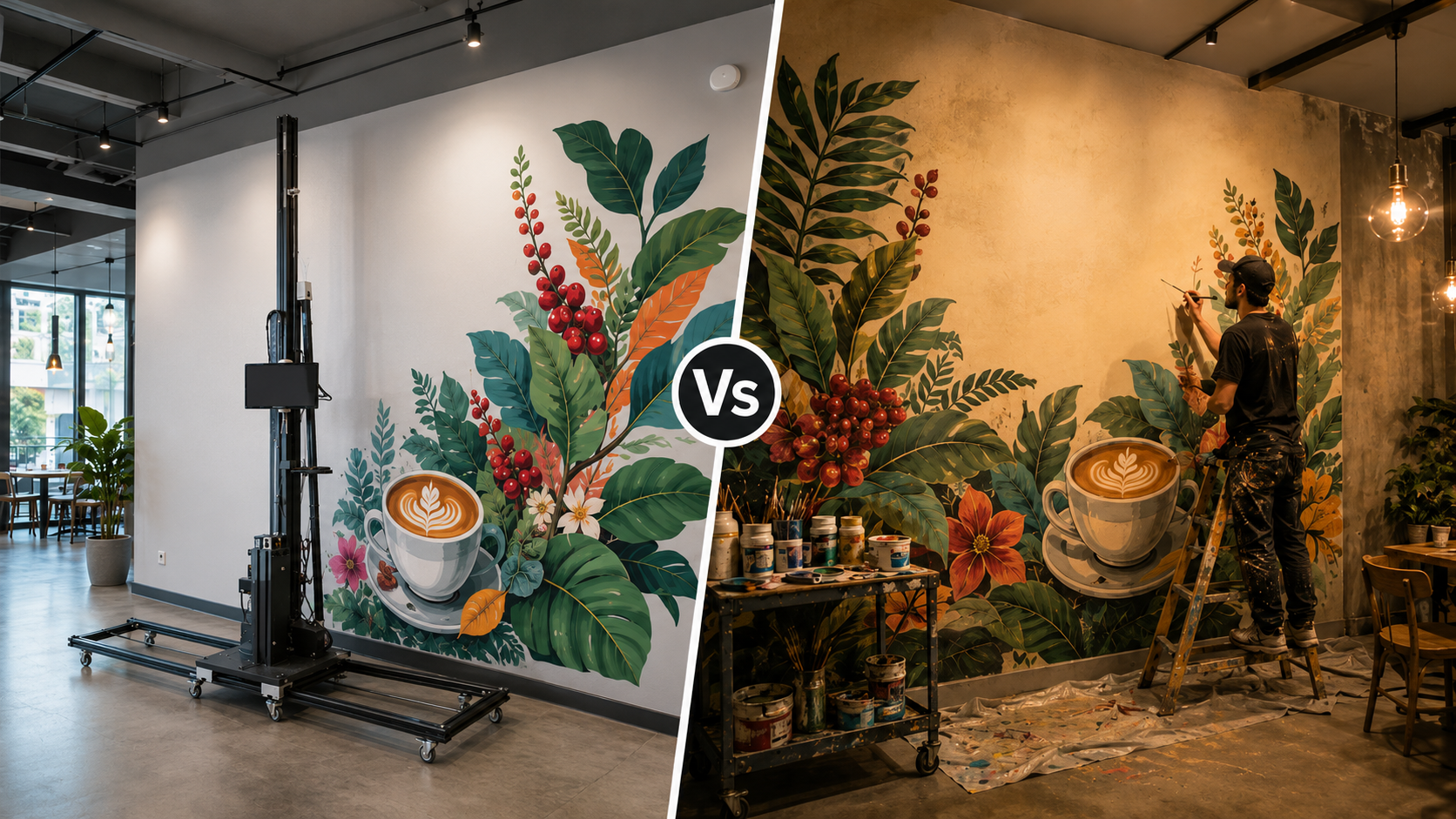
Choosing between Wallpen and DXonjet is not simply about comparing specifications.
At first glance, these two wall printers may look similar because both are designed for direct-to-wall printing. However, they are built for different business situations.
Wallpen focuses on industrial-level productivity and premium commercial applications, while DXonjet focuses on a more accessible investment level for businesses that want to enter or expand into wall printing.
The right choice depends on your expected workload, customer type, project requirements, and long-term business goals.
This comparison will help you understand the real differences between Wallpen and DXonjet beyond the specification sheet.
Wallpen vs DXonjet: Key Specification Comparison
Specification | Wallpen | DXonjet |
|---|---|---|
Print Height | Up to 4m | Up to 4m |
Printhead | Ricoh Industrial | Epson OEM |
Print Speed | Up to 6㎡/h | Up to 3㎡/h |
Ink System | UV CMYK | UV CMYK + White |
Resolution | Up to 1200 dpi | Up to 1440 dpi |
Frame Structure | Heavy-duty steel | Aluminum alloy |
Price Range | $45,000–$60,000+ | $9,000–$15,000 |
The specifications show the basic difference: Wallpen is designed for higher production capacity, while DXonjet provides a lower-cost entry point with more flexibility for smaller operators.
But these numbers do not tell the whole story.
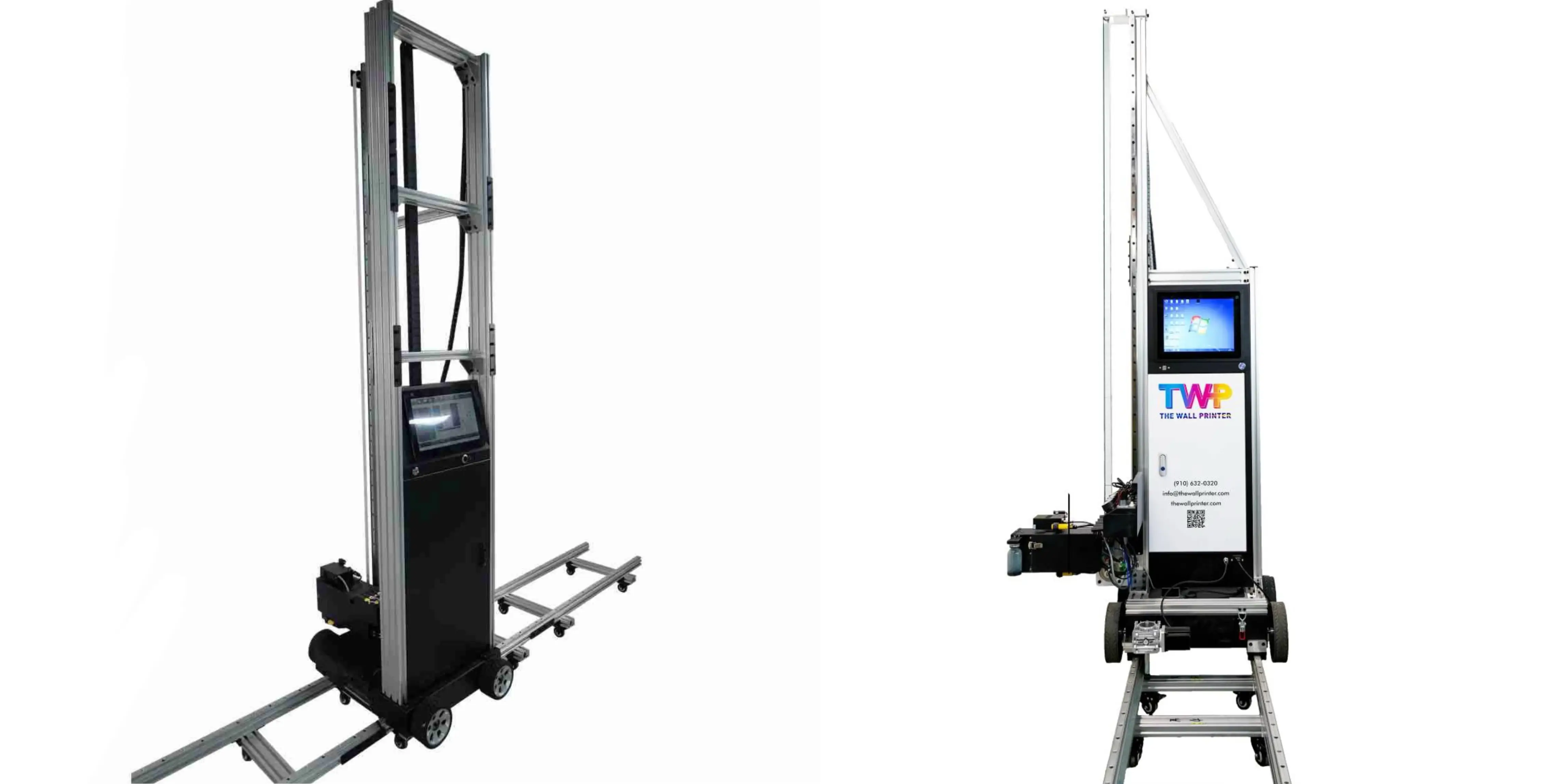
Printing Performance: Production Speed vs Flexible Applications
The biggest hardware difference between Wallpen and DXonjet is printing speed.
Wallpen wall printer uses a multi-head Ricoh industrial printing system, allowing it to reach around 6㎡/h under suitable conditions. DXonjet uses an Epson printhead configuration with a typical speed of around 3㎡/h.
For large commercial projects, this difference can directly affect profitability. A hotel lobby, retail space, or large branding wall may require dozens of square meters of printing. Higher production efficiency allows operators to complete projects faster and accept more demanding schedules.
However, higher speed is only valuable when the business has enough project volume to use it.
For a startup focusing on residential murals or smaller commercial projects, DXonjet’s lower investment may create a better return because the business does not need to pay for capacity it cannot yet use.
Print Quality: Resolution Is Only One Part Of The Result
DXonjet has an advantage in resolution, reaching up to 1440 dpi, compared with Wallpen’s 1200 dpi.
This difference can be useful for detailed artwork, fine text, and indoor murals viewed from a close distance.
However, wall printing quality is not determined by resolution alone. Real-world results also depend on printhead stability, ink control, wall preparation, and color management.
For large commercial murals, consistency across the entire wall can be more important than the highest DPI number.
Wallpen’s industrial printhead configuration is designed for stable long-term production, while DXonjet provides strong image detail and easier access to high-resolution printing at a lower investment level.
White Ink Capability: A Key Difference For Special Projects
One of the most important differences between these two machines is white ink support.
DXonjet uses a CMYK + White ink system, allowing it to create a white base layer before printing colors. This is especially useful for:
Dark-colored walls
Glass surfaces
Decorative materials
Special backgrounds
Without white ink, colors can lose brightness when printed directly on dark surfaces.
For businesses that want to accept more creative projects, white ink can expand the range of applications they can offer.
Wallpen focuses more on commercial production where speed, consistency, and workflow efficiency are the main priorities.
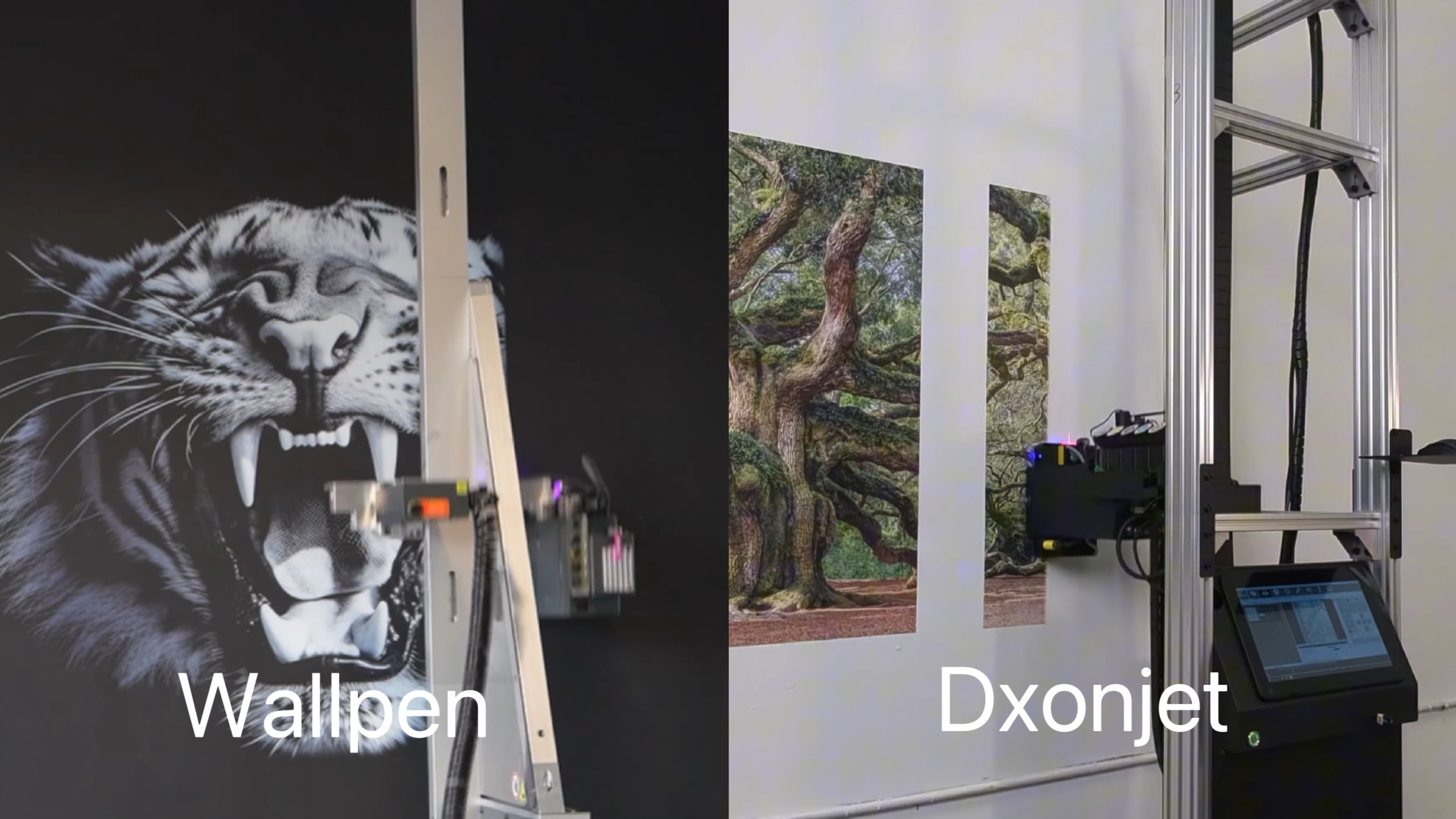
Software And Daily Operation: Professional Workflow vs Easy Entry
The difference between the two wall printer machines is also reflected in daily operation.
Wallpen is designed for professional teams handling larger projects. Its workflow focuses on production efficiency, repeatability, and managing more complex commercial jobs.
DXonjet takes a simpler approach. Its easier setup and lower learning curve make it more suitable for individual operators and small businesses that want to start generating revenue quickly.
For a company with experienced operators and regular commercial orders, Wallpen’s professional workflow can provide long-term value.
For someone entering the wall printing market, DXonjet’s simplicity reduces the barrier to starting the business.
Cost And ROI: Which Machine Makes More Business Sense?
The biggest difference between Wallpen and DXonjet is the initial investment.
Wallpen typically requires an investment of around $45,000–$60,000+, while DXonjet is generally positioned in the $9,000–$15,000 range.
This creates two different business paths.
DXonjet wall printer is attractive for entrepreneurs who want to validate the market, build their customer base, and recover their investment with lower financial pressure.
Wallpen is designed for businesses that already have stronger demand and want to increase production capability, improve efficiency, and take on larger commercial projects.
The most important ROI question is not:
"Which machine costs less?"
It is:
"Which machine allows me to complete the type of projects my customers are willing to pay for?"
A lower-cost machine can provide better returns for a startup, while a higher-end system can create more value for a business with stable commercial demand.

Which One Should You Choose?
DXonjet is usually the better choice for operators who are entering the wall printing market, focusing on residential murals, or looking for a lower-risk investment.
Its lower purchase cost, easier operation, and white ink capability make it suitable for businesses that want to start accepting projects without a large upfront commitment.
Wallpen is better suited for professional mural companies, commercial decoration businesses, and operators handling larger projects.
Its higher productivity and industrial configuration make more sense when machine utilization is high and project deadlines directly affect revenue.
Conclusion
Wallpen and DXonjet are designed for different business models.
DXonjet focuses on accessibility, flexibility, and helping smaller operators enter the market with a lower investment.
Wallpen focuses on production capacity, professional workflows, and businesses that need higher output for commercial applications.
Neither machine is automatically the better choice. The right wall printer depends on your customers, project volume, budget, and future growth plans.
The best wall printer is not the machine with the highest specifications. It is the one that fits your business model and helps you create profitable projects consistently.
Ready to find a wall printing solution that matches your goals? Explore WallPrintBox and take the next step toward building or growing your wall printing business.